Learn how parrots help keep ecosystems thriving—and why their protection matters now more than ever.

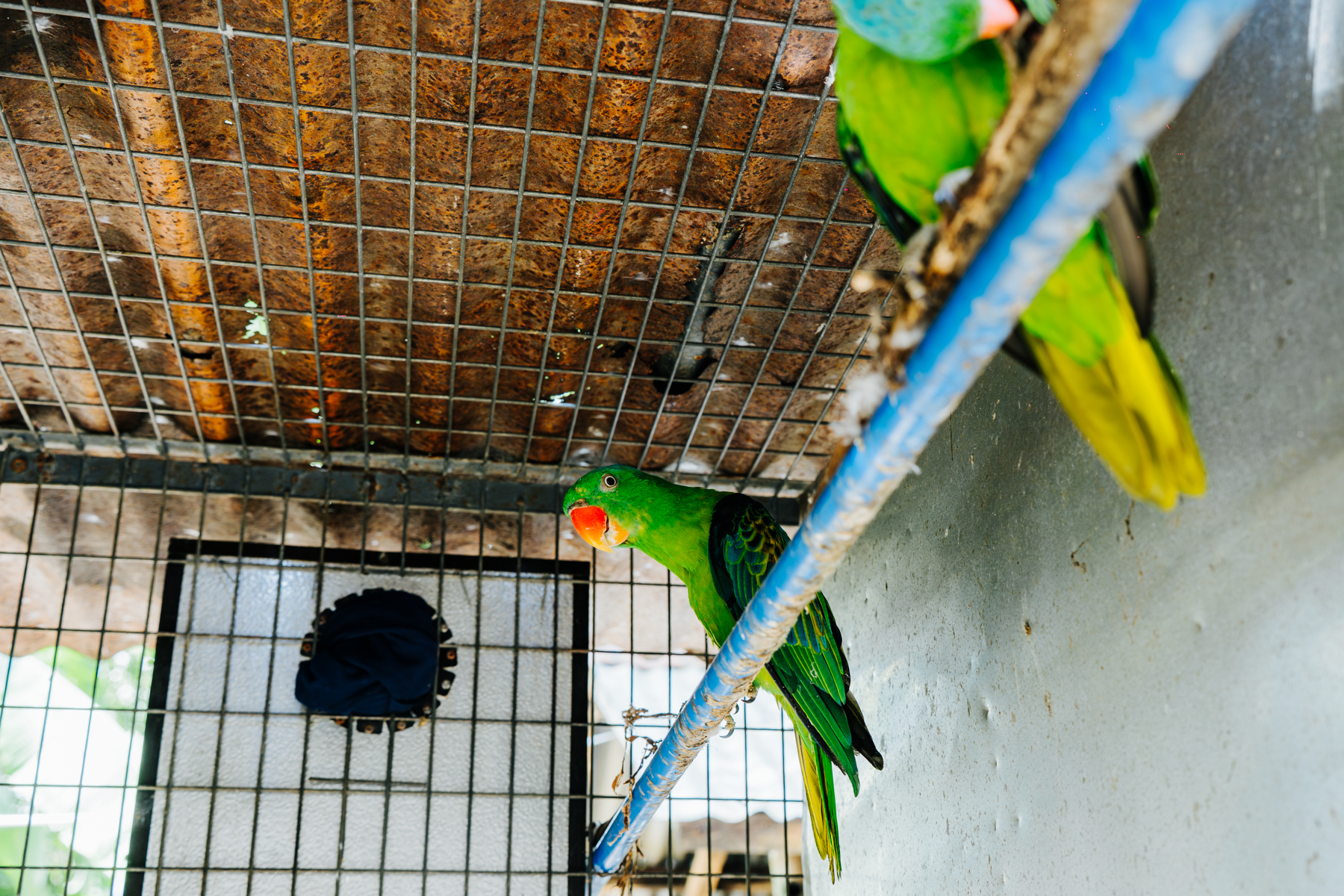
Safeguard forests and natural habitats critical to endangered Philippine parrots.
Provide artificial nest boxes and other measures to support successful breeding.
Engage local communities in conservation efforts, education, and monitoring programs.

This goal seeks to ensure the long-term survival of these species while preserving the ecological balance and biodiversity of their forest ecosystems.

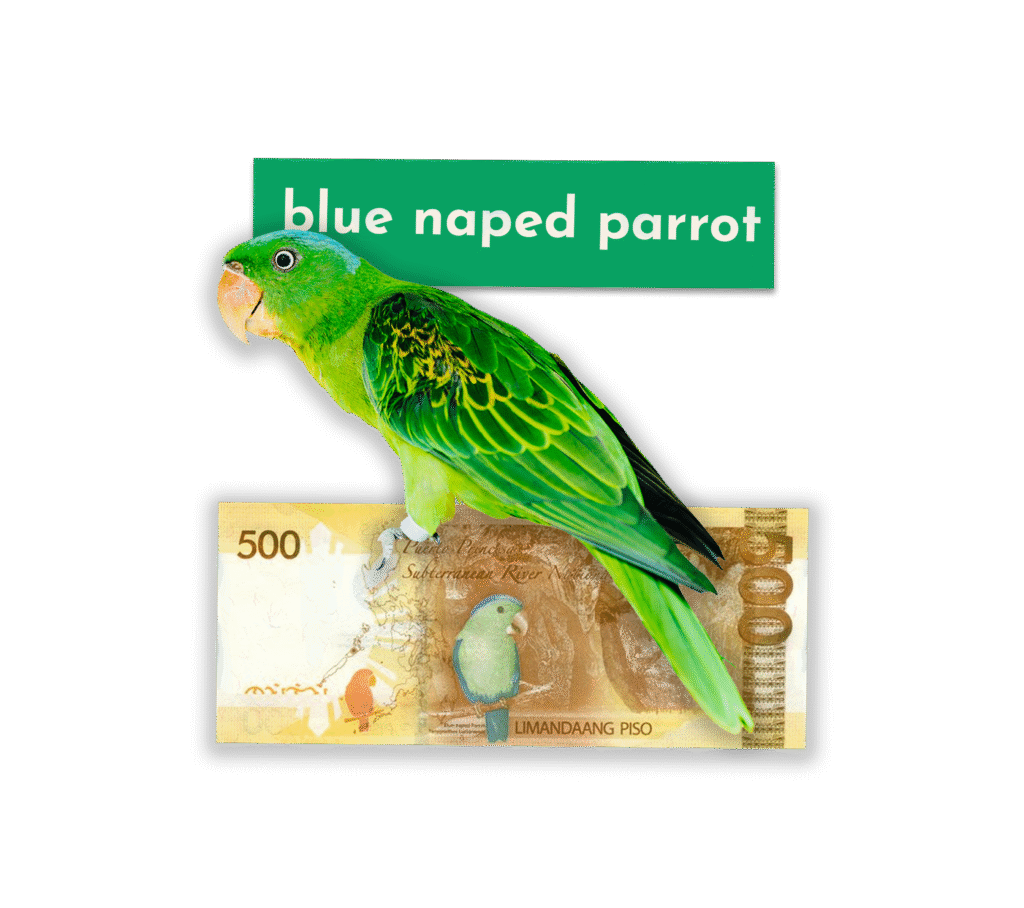
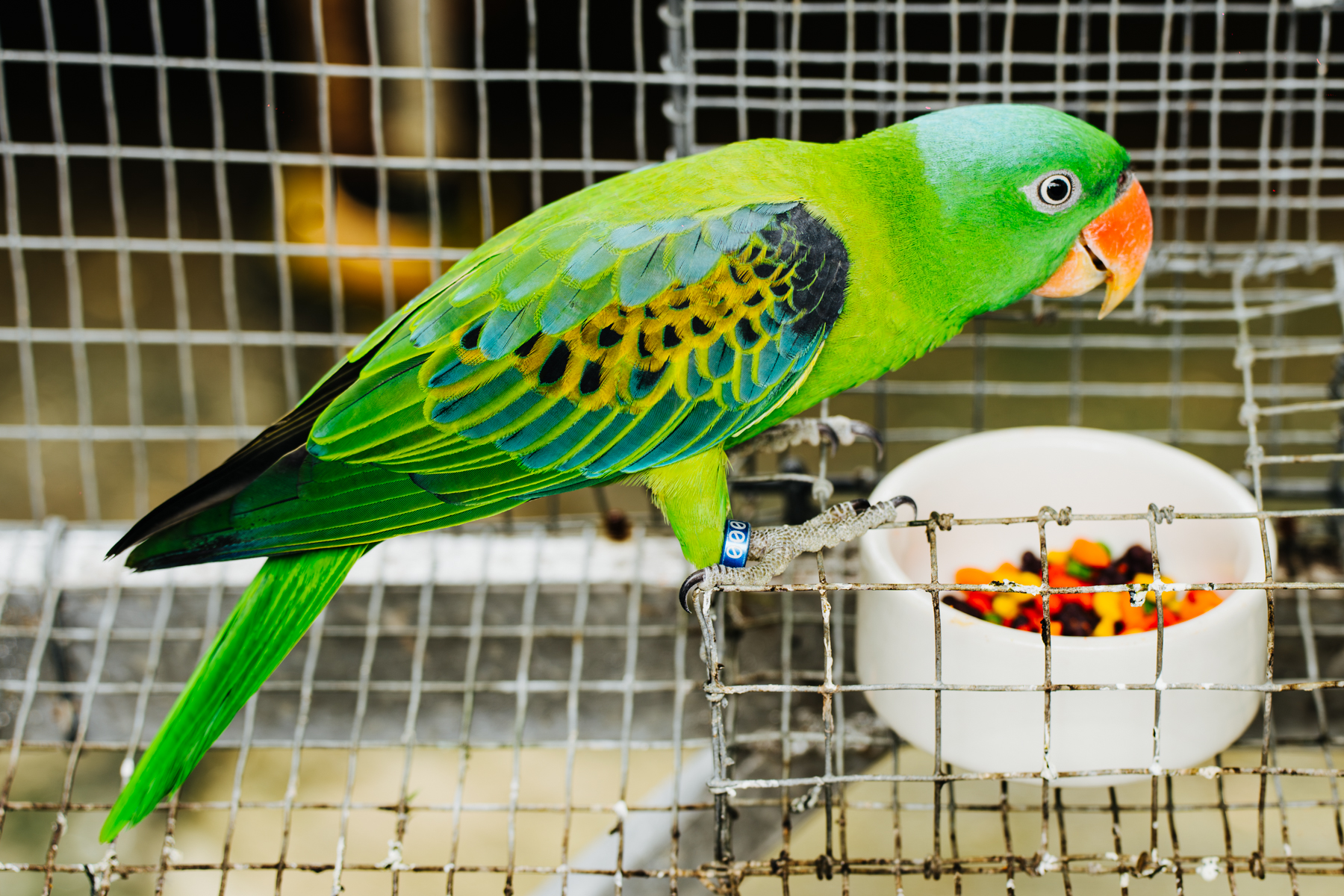
Blue-naped Parrot on Currency – Featured on the Philippine 500 peso bill. 

Masters of Mimicry – Some parrots mimic speech and household sounds. 

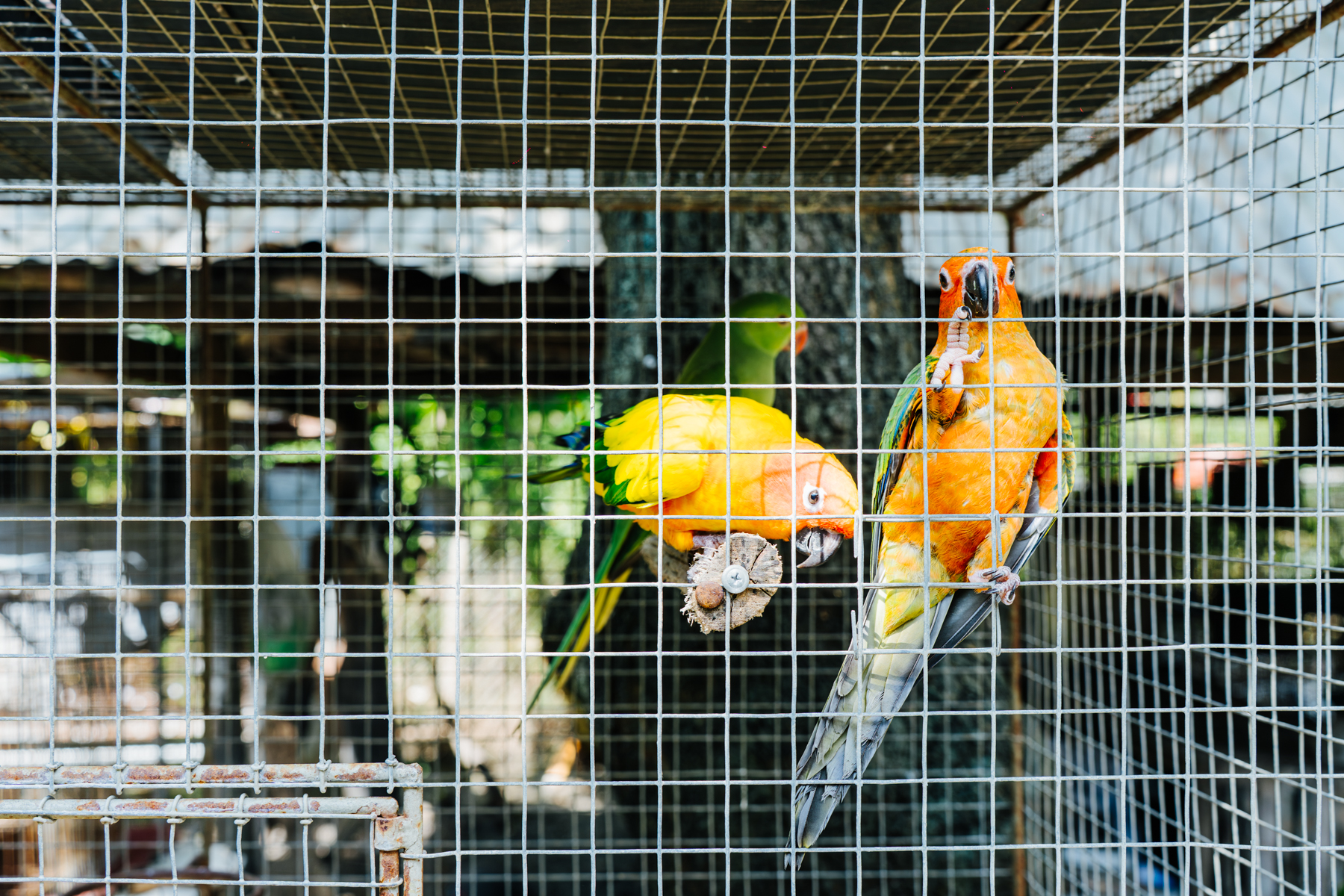
Endemic Parrots – Home to unique species like the Philippine cockatoo and Blue-winged Racket-tail.

Birds contribute significantly to ecosystem functions—including seed dispersal, pollination, pest control, scavenging, and regulating animal populations—making them essential for sustaining biodiversity and serving as indicators of environmental health. Their presence, absence, and interactions—such as primary and secondary hole-nesting—can signal changes in forest structure and water availability (Kashyap et al., 2020). 

Protecting bird populations is not just about saving individual species—it is about preserving the intricate systems that sustain life on Earth. As integral components of food webs, birds influence plant regeneration, control insect populations, and facilitate nutrient cycling, directly shaping the composition and resilience of ecosystems. The decline or loss of bird species can trigger cascading ecological consequences, disrupting these processes and diminishing overall ecosystem stability.


Philippine Wildlife Act (RA 9147)

All parrot species are protected under the Philppine Wildlife Act or RA 9147. It is illegal to collect, posses, buy, import, and export wildlife without proper permits.

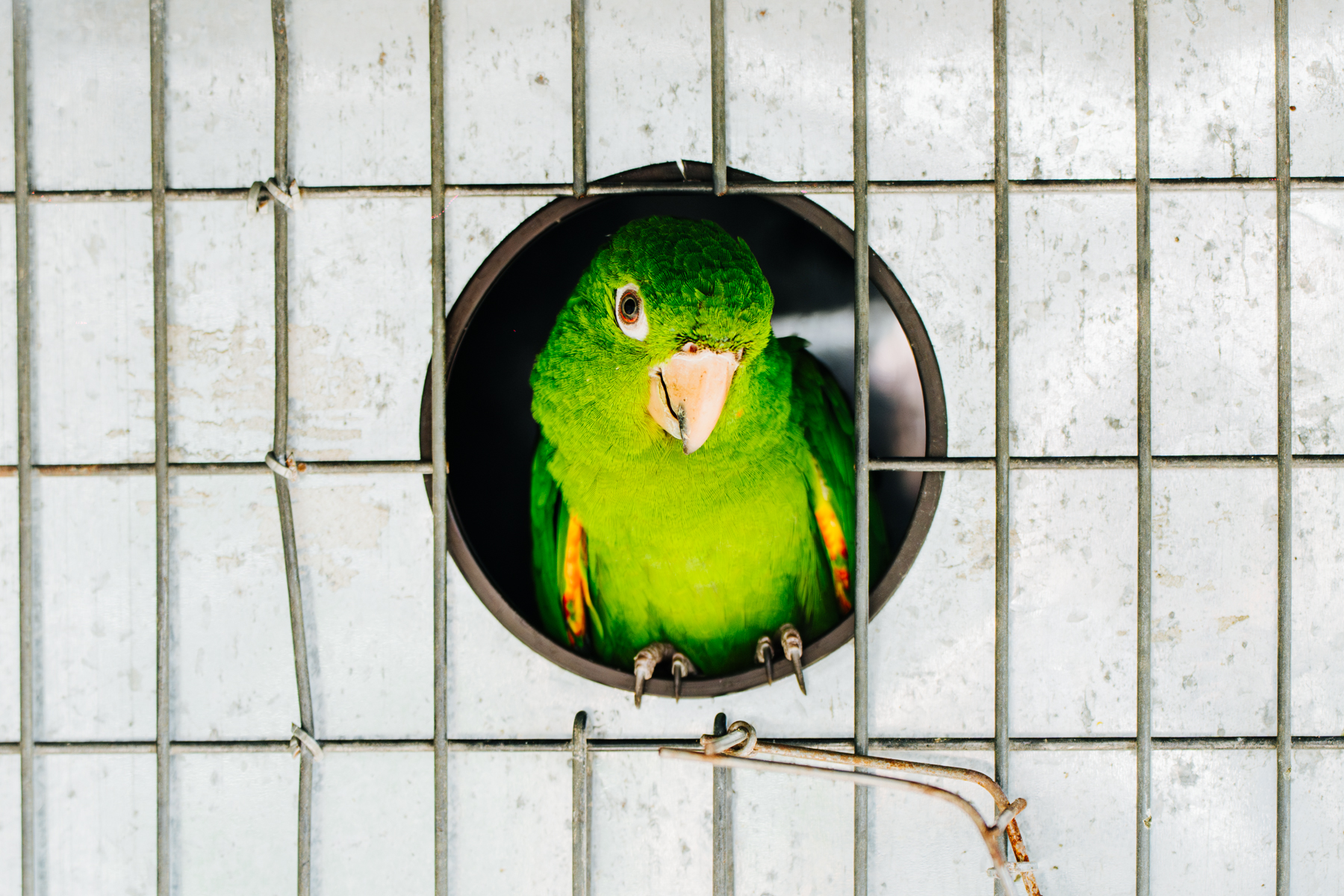
An artificial nest box is a man-made structure that mimics natural nests, providing parrots and other birds a safe place to breed, rest, or shelter. Made from durable or recyclable materials like wood or metal, they are often mounted on trees or poles where natural nesting sites are scarce due to habitat loss.


Nest boxes also help birds cope with predators, harsh weather, and competition, making them an important tool for conservation, biodiversity management, and urban adaptation.

Happiness in a Habitat.

Contact Us

De La Salle-College of Saint Benilde, 

Design and Arts Campus (D+A Campus)

habinest.benilde@gmail.com

Copyright © 2025. Habinest. All rights reserved.

Website developed and designed by Tabungar and Valenzuela

Scroll to Top